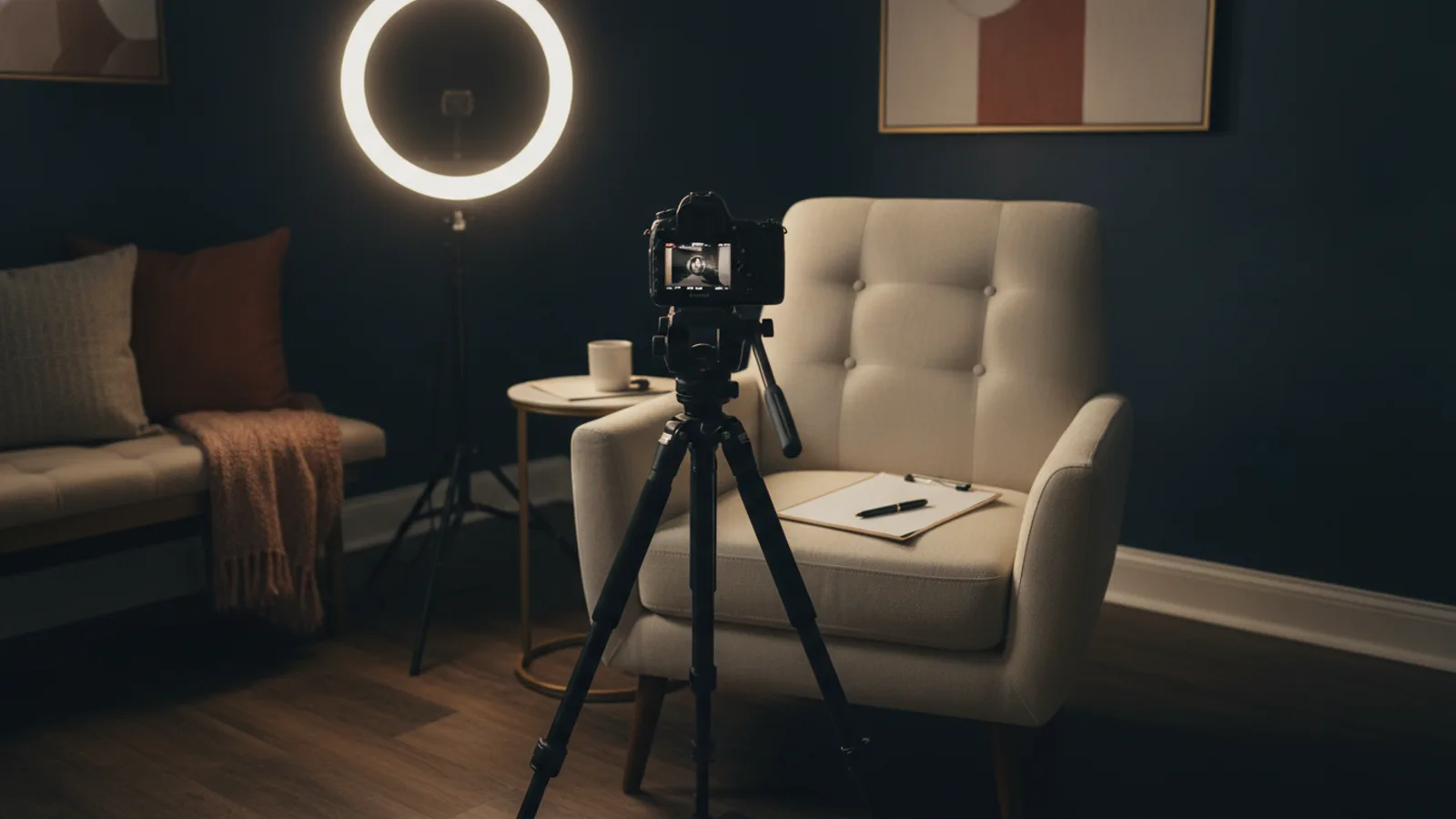
Prospective patients are nervous. They wonder whether you will listen, whether it will hurt and whether they will be pressured. A short video of an actual patient describing their experience answers those worries better than any claim you make about yourself.
Video testimonials also carry more risk than written ones. A person's face and voice identify them, and what they say may touch on their health. Done carelessly, a testimonial can breach privacy rules or an advertising regulation. Done carefully, it becomes one of your strongest assets.
This article is general guidance and not legal advice. State rules on testimonials vary a good deal, so confirm yours before you publish.
Know your rules first
Before you film anything, check three sources:
- Your state chiropractic board's advertising rules. Some states restrict or place conditions on testimonials. Others require disclaimers.
- Federal and state consumer protection law. The Federal Trade Commission requires that endorsements be honest and that material connections, such as free services or incentives, be disclosed. The FTC has also issued rules about fake and misleading reviews.
- HIPAA. If the patient's story reveals health information, you need a written authorization before using it in marketing.
An attorney who handles healthcare marketing can review your authorization form once, and then you reuse it.
The authorization form
Do not rely on a verbal yes. Use a written form that the patient signs before filming. A typical form covers:
- The patient's name and contact details.
- What will be recorded: video, audio, name, photo or health details.
- Where the material may be used: your website, social media, ads.
- How long permission lasts and how to withdraw it. Explain that withdrawal stops future use but cannot recall material already published.
- A statement that participation is voluntary and does not affect their care.
- A statement about any incentive offered, if one is permitted under your state's rules.
- Signature and date.
Keep signed forms in a secure place. If a patient later asks to have a video removed, act promptly.
Who to ask, and how
The best subjects are patients who volunteered a positive comment unprompted. Ask in person, privately, without pressure. Make clear that saying no changes nothing. Never ask someone in the middle of a visit when they may feel they owe you something.
Be careful about incentives. Offering a discount or gift in exchange for a favorable video can create legal issues and undermines credibility. If your state permits an incentive, it must be disclosed. When in doubt, offer none.
What to ask on camera
Open-ended, experience-focused questions work best:
- What made you choose our office?
- What was your first visit like?
- What would you say to someone who is nervous about seeing a chiropractor?
- What do you like about the team?
Steer away from questions that invite clinical claims, such as "What did we fix?" Instead of outcomes, encourage the patient to talk about how they were treated, how comfortable they felt and how easy scheduling was.
What to avoid in the final cut
Even sincere patients say things that create trouble. Review every recording and edit out or reshoot anything that:
- Promises or implies a promised result ("I will never have pain again").
- Claims a cure or specific medical outcome.
- Mentions another provider negatively.
- Discloses the details of other patients.
- Reveals sensitive diagnoses the patient did not clearly authorize.
- Includes statements you cannot support.
Results that are typical for one person may not be typical for others. If you share a patient's reported outcome, many regulators expect clear and prominent context, and some states prohibit it entirely. Your attorney can tell you where the line sits in your state.
Filming tips on a modest budget
You do not need a studio.
- Light: Sit near a window with the light in front of the subject. Avoid overhead fluorescent lighting.
- Sound: Use a lapel microphone or a quiet room. Poor audio ruins good content.
- Background: A tidy corner of your office, with no other patients or visible charts.
- Length: Aim for 30 to 90 seconds for social media and up to two minutes for your website.
- Captions: Add them. Many people watch with sound off, and captions help viewers with hearing loss.
- Format: Shoot vertical for social platforms and horizontal for your website, or crop carefully.
Where to use the video
- A testimonials page on your website, near the booking button.
- Service pages where the story is relevant.
- Your Google Business Profile photo and video section, following platform rules.
- Social media posts and, with careful review, paid ads.
Test whether adding a video to a landing page improves booking rate. If page speed drops noticeably, host the video on a platform that loads efficiently and avoid autoplay with sound. See our landing page guide for layout suggestions.
If you prefer an alternative
Not every patient wants to be on camera, and that is fine. Audio-only quotes, written reviews with a patient's permission and short clips of your team explaining what a first visit involves also build trust without exposing a patient. Our own guide to responding to reviews covers how to engage with written praise safely.
Production checklist
- State board advertising rules checked.
- Authorization form reviewed by an attorney.
- Patient asked privately, with no pressure or undisclosed incentive.
- Questions focus on experience, not clinical results.
- Recording reviewed for promises, cure claims and other patients' details.
- Captions added.
- Signed form filed securely.
- A removal process is documented.
Plan your first one
One well-made video is better than ten rushed ones. If you would like help with a consent form, interview questions and where the video should live on your site, book a strategy call.